Heritage textiles, the timeless materials born from generations of skilled artisans, are finding new life in contemporary wardrobes. This fusion not only honors cultural legacies but also offers sustainable, meaningful alternatives to fast fashion. At Sensclo, we embody this bridge between past and present, creating pieces that preserve Indian craftsmanship while finding space in global wardrobes.
The Essence of Heritage Textiles
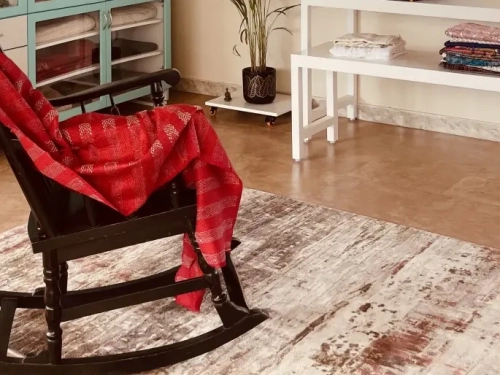
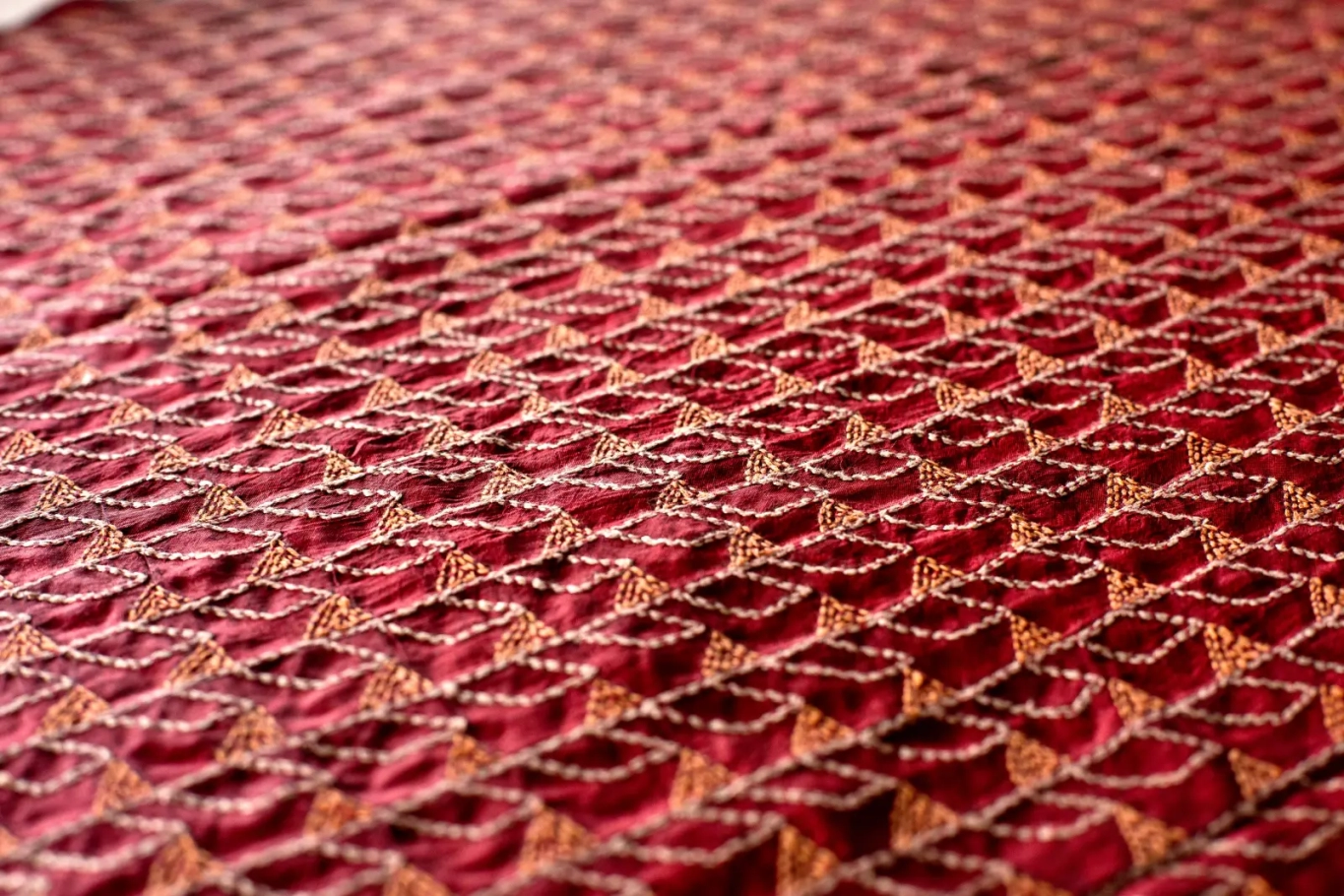
Heritage textiles refer to fabrics and techniques passed down through generations, often tied to specific regions, communities, and stories in India. These are not mass-produced but handcrafted, each bearing the mark of human touch. Take, for instance, Kantha embroidery, a traditional stitching method from Bengal where layers of old saris are quilted together with running stitches to create intricate patterns. Originally a form of upcycling born from necessity, Kantha tells stories of resourcefulness and artistry.
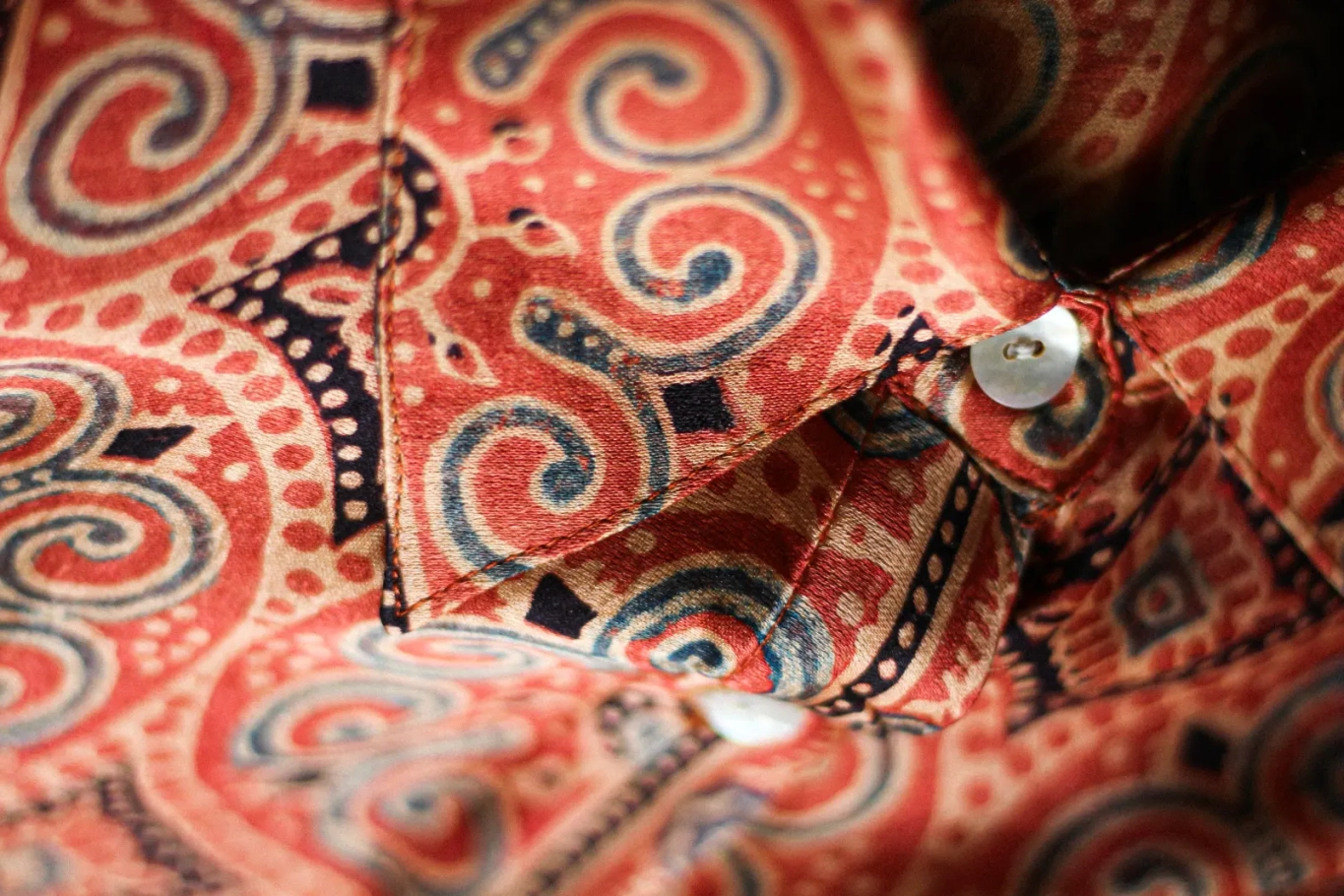
Similarly, block printing involves carving wooden blocks with designs and stamping them onto fabric using natural dyes. This craft, prevalent in regions like Rajasthan and Gujarat, produces vibrant motifs inspired by nature, mythology, and daily life.
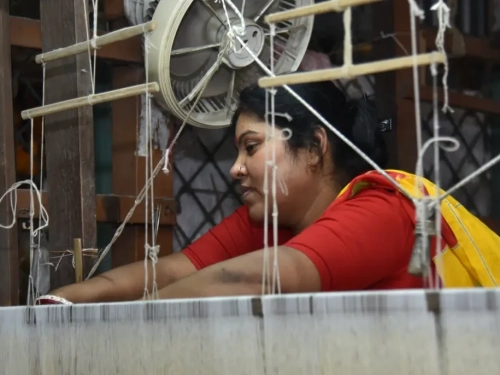
These techniques emphasize handmade processes: spinning, dyeing, weaving, and embroidering done by artisans whose skills are inherited from their ancestors. In an era of machine-made uniformity, the appeal lies in their uniqueness such as imperfect lines, subtle color variations, and textures that feel alive against the skin.
Blending Tradition with Contemporary Trends
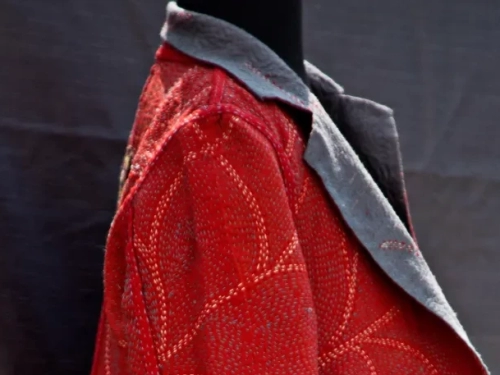
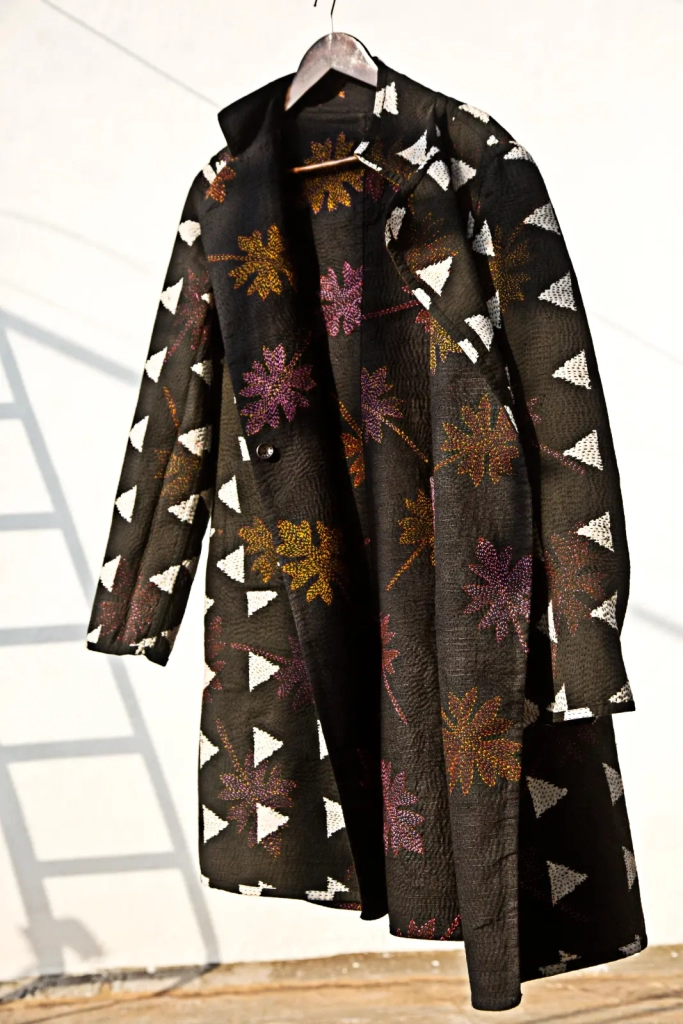
Designers today are reinterpreting traditional fabrics through contemporary silhouettes, making them relevant for today’s audience. Imagine intricate Chikankari work on luxurious linen, offering effortless elegance for both casual and formal occasions. Or the enormously laborious Kantha embroidery adorning a contemporary jacket, adding a layer of cultural depth to transeasonal layering.
Consumers, be it the Indian expats overseas who want to reconnect with their roots or foreigners who want to discover the richness of Indian crafts, are drawn to pieces that are ethical and enduring.
This blend isn’t just aesthetic; it’s purposeful. By incorporating heritage crafts, fashion becomes a vehicle for sustainability and sustenance. Natural fibers like cotton, silk, and wool are biodegradable and gentle on the environment, while handmade production supports artisan communities, ensuring their livelihoods and preserving skills at risk of fading in an industrialized world.
Sensclo: Where Heritage Comes Alive in Modern Form
At Sensclo, our philosophy is rooted in this intersection. We see ourselves as a bridge between tradition and relevance, local artisans and global wearers. Our collections celebrate the inheritance of crafts, techniques honed over generations in specific Indian geographies, while adapting them to contemporary needs.
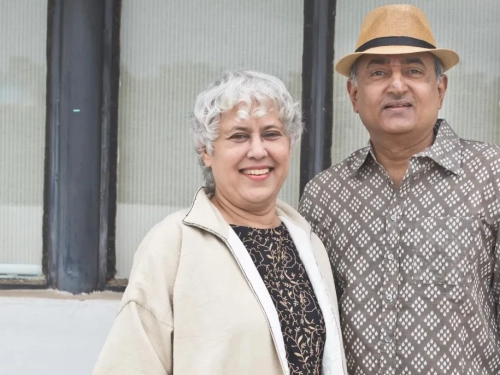
Founded by Manjula Sen, who transitioned from journalism to fashion, Sensclo uncovers the hidden histories in each fabric, promoting slow fashion and creative exchanges. Sensclo’s passion for design and the art of creation comes from a simple, deep drive: turning bold, extraordinary ideas into tangible pieces that people can wear and cherish.
This philosophy runs through every garment we make, it’s the core of who we are as a brand.
Artisanal Threads, Modern Wardrobe: Our Products
Take our Kantha Jackets, an in-house favourite and a bestseller. They exemplify transeasonal dressing with their contemporary silhouette; it feels luxurious yet intuitive. Some of these take over 300 hours to embroider with one artisan working on it for months.
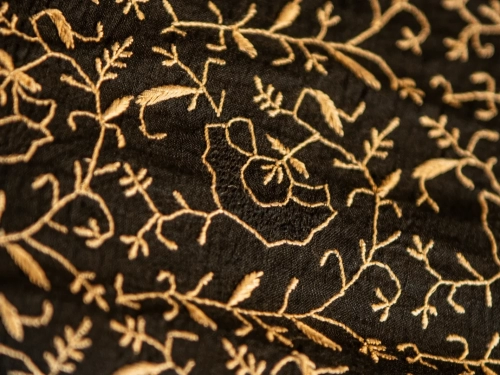
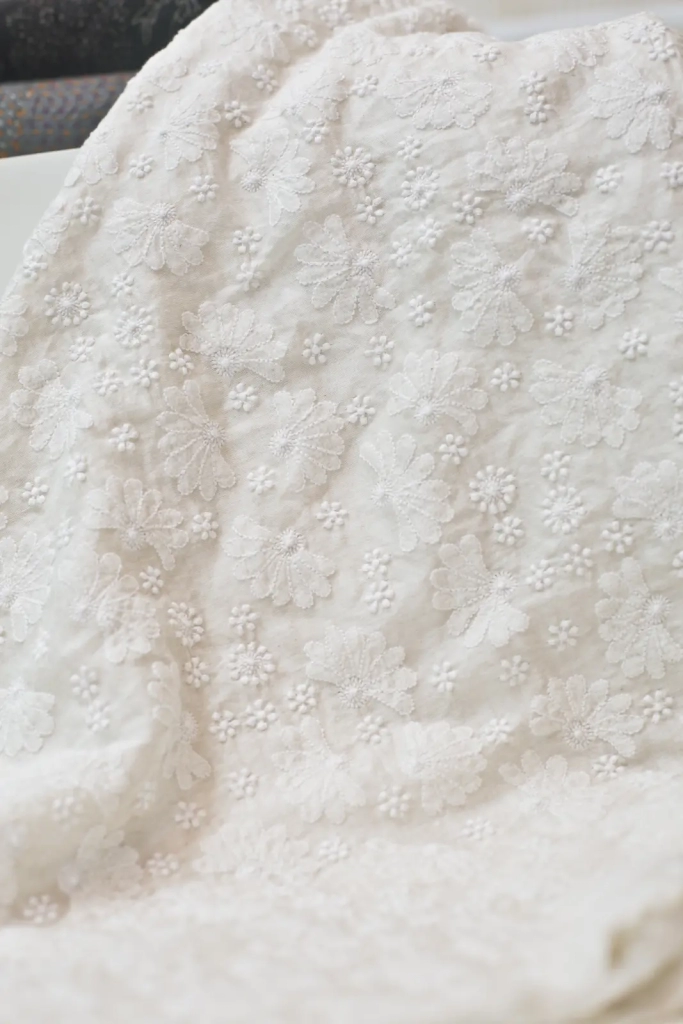
Our Chikankari-embroidered garments bring this ancient embroidery into modern wardrobes. Using natural fibers, these pieces feature intricate stitching that adds texture and story, perfect for those seeking handmade authenticity in everyday fashion. Our recent collection hosts a top that carries 115 hours of hand embroidered Chikankari, stitched patiently.
These items not only sustain crafts but also empower artisans through fair practices, shifting perceptions of Indian craftsmanship on a global stage; the same was highlighted in our recent session at the Museu Etnològic i de Cultures del Món in Barcelona, where we discussed textiles, innovation in the craft sector and exchanges between Indian & Barcelona designers.
The Future of Fashion: Preserving the Past
As tradition meets trend, heritage textiles remind us that fashion can be more than fleeting styles, it is a way to connect with history, support communities, and embrace sustainability. At Sensclo, we’re committed to this journey, creating garments that preserve identities and enable livelihoods.